In my 11 years producing corporate events across Sydney—from high-stakes government summits to glittering awards nights—I’ve seen everything. But nothing tests the mettle of an event producer quite like the "Large Group Photo." You have 150 VIPs, a CEO who needs to be in another room in five minutes, and a venue layout that wasn't designed for a panoramic shot.
When you hire event photography services, you aren’t just paying for a camera and a lens; you are paying for crowd management and logistical precision. If you want a result that doesn't look like a chaotic school yard scramble, you need to treat the group photo as a mission-critical operation. Here is my blueprint for getting the shot right every single time.
The Pre-Game: Staging and the Run Sheet
The biggest mistake I see? Leaving the group photo to "happen organically" during a coffee break. It never works. You need a dedicated slot on your run sheet. When I draft my production schedule, I label everything by venue and session time. For example: [10:45 AM - Grand Ballroom - Full Delegate Group Photo].
If you don't communicate the timing to your MC and delegates well in advance, you’ll be chasing executives through the foyer. Here is how I organize the logistics:
- Scout the Location Early: Don't just look for a pretty background. Look for light quality, height (can the photographer get a high angle?), and egress points. The "VIP Checklist": I keep a running checklist for VIP shots and group photos. If the Minister or the CEO needs to be front-and-center, they are on that list, and I have a runner assigned to physically fetch them. Communication: Brief your delegates before the break. Tell them exactly where to go and how long it will take. A "three-minute group photo" becomes a ten-minute catastrophe if people don't know where to stand.
Why a Hybrid Approach Wins
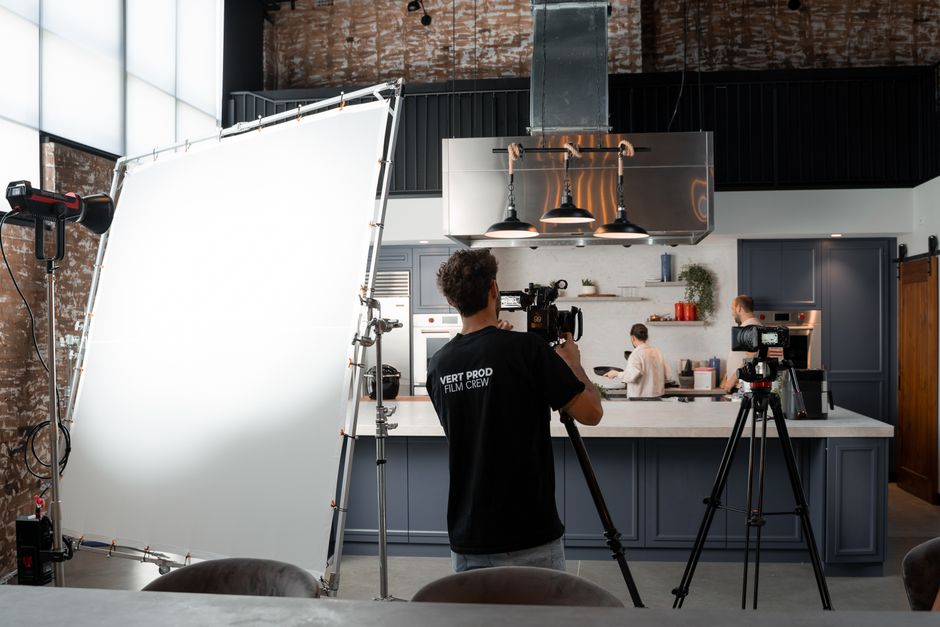
In the current Sydney corporate market, many clients are moving toward a hybrid photo and video approach (project-dependent). Why? Because the group photo is a massive visual asset that can be repurposed. While your photographer is directing the static shot, a videographer can capture the "behind-the-scenes" energy or a quick pan of the crowd.
Ask yourself this: however, be wary of agencies that oversell gear. You don't need a cinema-grade crane for a headshot or a group photo. You need a photographer who knows how to light a room and how to command a crowd. I prioritize outcomes over equipment every single time.
Data Integrity: In-house Editing and Privacy
One of my biggest pet peeves is the "black box" of outsourced editing. When I book video services or photography, I always ask: Where will files be edited and stored?
For government and corporate clients, data sovereignty is non-negotiable. I avoid providers who rely on offshored editing with unclear chains of control. If your event involves sensitive stakeholders, you need to know exactly who is handling your raw files. Ensure your service provider uses local, secure, and encrypted workflows. If they can’t guarantee that your files stay within a controlled, onshore environment, keep looking.
Logistical Checklist for Producers
To help you keep track of your requirements, I’ve put together this quick-reference table for your next site inspection:
Action Item Responsibility Priority Scout elevated platform/ladder Producer/Photographer High Clear signage for assembly point Event Coordinator Medium Verify file storage/editing location Producer High Align "VIP Checklist" with Protocol/EA Producer Critical Sync run sheet with AV team Producer High
Avoiding the Pitfalls: What to Watch Out For
As someone who has been on both sides of Surry Hills photographer the lens, I get frustrated by vague turnaround promises. If a photographer says, "We'll get them to you whenever," walk away. In corporate events, the photo is often needed for the end-of-day highlight reel or social media push. You need a hard deadline for delivery.

Furthermore, never accept a photographer who misses "the moment." If you are running event videography and highlight reels, your crew must be synchronized. The photographer should be capturing the main shot, while the videographer is capturing the keynote reaction shots or the candid engagement. If your media team isn't working as one unit, your final content will feel disjointed.
The Golden Rules of Large Group Photos
Establish a Height Advantage: If you don't have a mezzanine level, hire a ladder or a small platform. You cannot shoot a group of 100 people from eye level and expect to see everyone's face. Tighten the Crowd: People naturally spread out. It is the photographer’s job to tell them to "step in closer." A tight group photo looks successful; a sparse one looks like a failed event. Check the Lighting: Avoid direct sunlight if you are outdoors—it creates harsh shadows under eyes. If you are indoors, ensure your photographer has proper off-camera flash setups so the back row isn't in the dark. Label and Sort: Once the files are delivered, label everything by venue and session time immediately. Six months from now, when the client asks for that photo of "the board meeting in the Sydney Room," you shouldn't have to guess.Final Thoughts
High-quality Sydney corporate photography services are about more than just the camera. They are about the discipline to follow a run sheet, the respect for privacy and data control, and the ability to command a room. When you treat your media team as partners in the production rather than just "vendors," the quality of your event collateral will skyrocket.
Don't settle for vague promises or insecure workflows. But it's not a one-size-fits-all solution. Insist on clear communication, local control, and a solid plan for every person on your stage. After all, those photos are the legacy of your event—make sure they look like a success.