I’ve spent 11 years in operations, and if there is one thing I’ve learned about storm season, it’s that the calendar doesn't care about your budget. When a hailstorm rips through a neighborhood in McKinney, TX, or a wind event tears through the Midwest, the clock starts ticking the moment the clouds clear. If you are a homeowner, you aren't just looking for a new roof; you are looking for a 15-minute dispatch slot on plumbing flood repair demand a crew's schedule that is already booked out for the next six weeks.
I see a lot of contractors throwing out vague promises like, "We can fit you in soon," which drives me up the wall. In this industry, if you don't have a 48-hour material lead time plan and a clear path to funding, "soon" actually means "next quarter." Let’s talk about why financing options are the missing piece of the storm-recovery puzzle.
The New Reality: Why Storm Seasons are Compressed
According to data often tracked by the B2B News Network (B2BNN), extreme weather events are no longer "occasional disruptions"—they are the new operational baseline. This shift has fundamentally changed how we manage roof replacement costs and scheduling.
When you have 5,000 homes damaged in a single weekend, the labor market hits a wall. The U.S. Bureau of Labor Statistics (BLS) consistently shows that the construction and roofing sector struggles with severe labor shortages during these peak windows. When you combine that labor crunch with supply chain volatility, you get a "demand surge" that forces contractors to prioritize jobs that are ready to go immediately. This is where financing options stop being a "nice-to-have" and start being a strategic tool for the homeowner.
Financing as a Friction-Reducer
When I look at a project, I always ask: "Who owns the next step?" When a homeowner is waiting on insurance claim payouts, the "next step" is often a stalled project. Insurance adjusters are overwhelmed, and payouts can take weeks or months. During that time, material costs fluctuate, and your spot on the contractor’s schedule can be lost to someone else who is ready to move.
Homeowners often ask me, "Should I just wait for the insurance check?" My running list of post-storm questions suggests this is the biggest mistake people make. By the time the insurance funds settle, the peak demand has spiked prices, and the best crews are already onto the next territory. Utilizing financing options allows you to lock in pricing and scheduling now, effectively turning your project into a "Ready to Proceed" file that we can slot into our 15-minute dispatch blocks immediately.
The Role of Precision Technology
If a contractor walks onto your roof with a tape measure, send them home. In a high-demand storm season, we don't have time for manual guesswork. Companies like Fireman’s Roofing in McKinney, TX, understand that efficiency is the only way to maintain quality under pressure. They—and other top-tier firms—rely on:
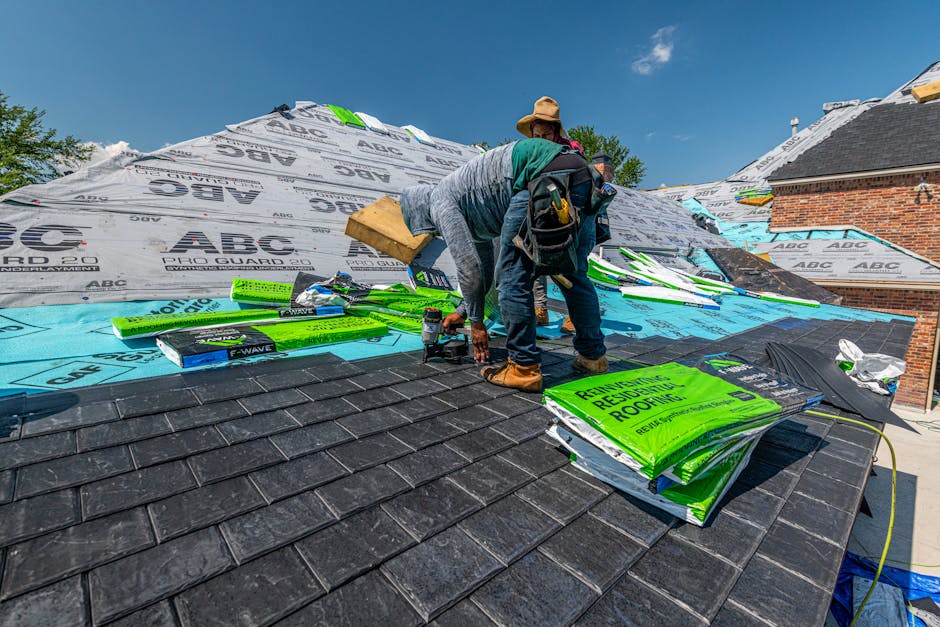
- Drone Imaging: High-resolution photos that document the exact scope of storm damage without risking safety or wasting time on manual ladder setups. Satellite-based roof measurements: Software that provides a precise material list in minutes, allowing us to order inventory before the crew even arrives.
When these tools are paired with a pre-approved financing plan, you move from "waiting for an estimate" to "securing your spot on the calendar."
The Documentation Gap: Don't Let Your Paperwork Stagnate
One thing that absolutely annoys me—and it should annoy you—is contractors who don't document inspections properly. If your insurance company isn't getting a airtight report, your payout will be delayed. If your payout is delayed, you lose your slot on the schedule. It’s a vicious cycle.
Financing options act as a buffer here. Even if your insurance claim is in dispute or moving through the slow gears of the adjuster's office, a financing package ensures the contractor gets paid for the materials and labor required to get the job done *before* the next storm hits. Don't let your repair sit in limbo because of paperwork. Demand a professional inspection that is fully documented with drone imagery.
Comparison: Managing the Storm Surge
The following table illustrates the operational difference between a homeowner utilizing financing versus waiting on a traditional insurance payout cycle during a peak storm season.
Metric Waiting for Insurance Payout Using Financing (Prioritized) Scheduling Priority Low (Conditional on claim) High (Ready to move) Material Lead Time Uncertain Locked-in (2-day lead) Roof Replacement Cost Risk of seasonal inflation Fixed at agreement Communication Reactive/Delayed Proactive/ConstantHow to Make Your Decision
When you are choosing a roofing partner during storm season, don't just ask about the shingle color. Ask these three questions to determine if they are operationally ready for you:
"What is your current average lead time for a standard roof replacement?" (If they say "we can squeeze you in," run.) "How do you document damage—are you using drone or satellite technology?" "Do you have a financing partner that allows us to start work while we wait for the insurance company to catch up?"
The homeowner decision should be based on operational readiness. Financing is not just about debt; it is a tactical advantage. It is the grease that keeps the wheels of a restoration project turning when the rest of the market is grinding to a halt.
Final Thoughts: Who Owns the Next Step?
Storm season is a test of logistics. The companies that survive the surge are the ones that manage expectations, document everything to the millimeter, and refuse to work in "vague" timeframes. If you find yourself in the aftermath of a storm, don't be a passive observer. Ask your contractor about their capacity, verify their tech-stack, and look into financing options that allow you to move while others are still standing in line at the adjuster's office.
At the end of the day, my job as an operations manager is to make sure your roof gets replaced correctly, on time, and without the nightmare of a six-month delay. Financing is simply the tool that ensures that sequence of events actually happens. Who owns the next step? You do. Make sure you take it with your eyes wide open.
